
Mandatory Speed Limiters for Heavy Commercial Vehicles in Singapore: Impact on Diesel Trucks and DPF Systems
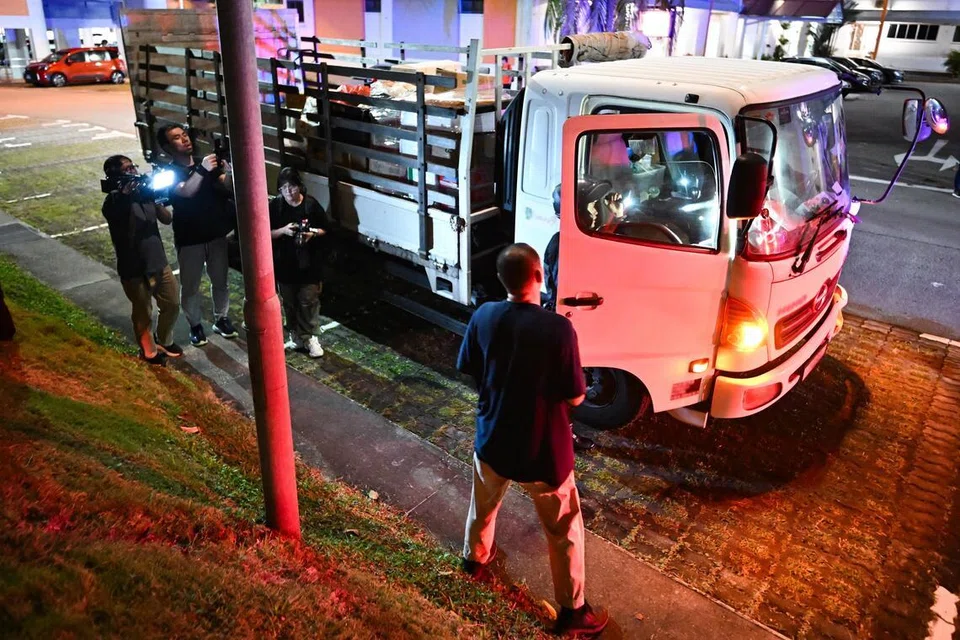
Singapore has introduced stricter regulations to improve road safety, and one key requirement affecting the transport industry is the mandatory speed limiters for heavy commercial vehicles in Singapore. This regulation directly impacts truck drivers, fleet operators, and diesel vehicle performance — especially vehicles equipped with Diesel Particulate Filter (DPF) systems.
Understanding how speed limiters affect your vehicle, engine condition, and maintenance requirements is essential to avoid costly repairs and operational downtime.
What Are Mandatory Speed Limiters for Heavy Commercial Vehicles in Singapore?
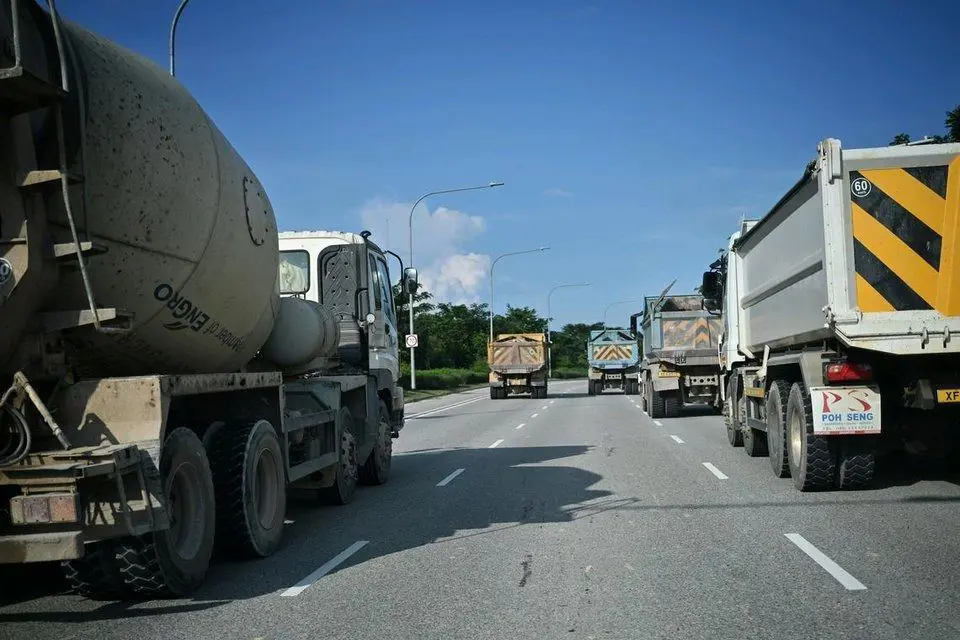
Mandatory speed limiters are electronic devices installed in heavy commercial vehicles to restrict the maximum speed a vehicle can travel. In Singapore, these speed limiters are required by regulation for specific vehicle categories, including:
- Heavy goods vehicles (HGVs)
- Prime movers
- Large diesel trucks
- Certain buses and commercial transport vehicles
These devices ensure vehicles do not exceed regulated speed limits, typically capped at around 60 km/h or 70 km/h depending on vehicle class and regulatory requirements.
The goal is to improve road safety, reduce accident severity, and create more predictable traffic flow on Singapore roads.
How Mandatory Speed Limiters Affect Diesel Engine Performance
While speed limiters improve safety, they also change how diesel engines operate — especially vehicles equipped with Diesel Particulate Filters (DPF).
DPF systems rely on high exhaust temperatures to burn off soot particles through a process called regeneration. However, when vehicles are limited to lower speeds:
- Engine temperature may not reach optimal regeneration levels
- Soot accumulates faster inside the DPF
- Passive regeneration becomes less effective
- DPF clogging risk increases significantly
This issue is particularly common for:
- Urban delivery trucks
- Vehicles operating mostly in city traffic
- Vehicles frequently driving below highway speeds
Why Speed‑Limited Heavy Commercial Vehicles Face Higher DPF Problems
Mandatory speed limiters indirectly contribute to increased DPF maintenance challenges.
When trucks operate below optimal speed and load conditions:
- Exhaust temperature remains too low
- Soot cannot burn off naturally
- Regeneration cycles occur less frequently
- DPF warning lights appear more often
- Vehicles may enter limp mode
Without proper maintenance, this can lead to:
- Expensive workshop cleaning
- Forced regeneration procedures
- DPF replacement costs
- Vehicle downtime and lost productivity
Common Signs Your Speed‑Limited Truck May Have DPF Issues
Fleet operators and drivers in Singapore should watch for these warning signs:
- DPF warning light on dashboard
- Reduced engine power
- Increased fuel consumption
- Frequent regeneration cycles
- Poor engine responsiveness
These symptoms indicate soot accumulation inside the DPF system.
Preventive Maintenance for Heavy Commercial Vehicles with Speed Limiters
Since mandatory speed limiters for heavy commercial vehicles in Singapore restrict engine operating conditions, preventive maintenance becomes more important than ever.
Recommended preventive measures include:
- Using high‑quality diesel fuel additives
- Maintaining regular engine servicing
- Monitoring DPF regeneration cycles
- Reducing excessive idling
- Using DPF cleaning solutions to support soot removal
Preventive maintenance helps extend DPF lifespan and reduce repair costs.
Cost‑Effective Solution: DPF Cleaner for Speed‑Limited Diesel Trucks
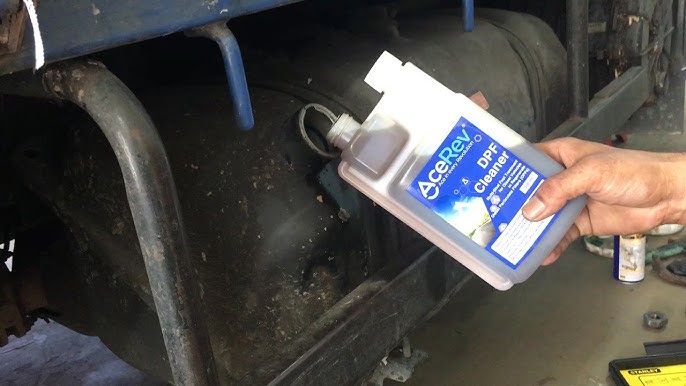
One effective method to prevent DPF clogging is using a specialized DPF cleaner added directly into the diesel fuel tank.
DPF cleaners help by:
- Lowering soot combustion temperature
- Supporting passive regeneration
- Reducing soot accumulation
- Improving engine efficiency
- Preventing costly DPF blockage
This is especially useful for vehicles affected by mandatory speed limiters, where natural regeneration is less efficient.
Why This Matters for Fleet Operators in Singapore
Singapore’s mandatory speed limiter regulations improve road safety, but they also increase the importance of proper diesel engine maintenance.
Fleet operators who understand the relationship between speed limiters and DPF performance can:
- Reduce maintenance costs
- Prevent unexpected downtime
- Improve fleet reliability
- Extend vehicle lifespan
Proper preventive measures ensure heavy commercial vehicles continue operating efficiently despite speed limitations.
Conclusion
The implementation of mandatory speed limiters for heavy commercial vehicles in Singapore is an important safety measure, but it also creates new maintenance challenges — especially for diesel engines with DPF systems.
Lower operating speeds reduce natural DPF regeneration efficiency, increasing the risk of soot buildup and costly repairs.
By understanding these impacts and adopting preventive maintenance strategies, fleet operators and drivers can protect their vehicles, reduce downtime, and maintain optimal engine performance.
Common Questions from Singapore Truck Drivers
Why does my DPF light keep coming back?
Because short-distance and low-speed driving prevent full regeneration cycles. The soot builds up faster than it can burn off.
Do I need to remove and dismantle my DPF?
Traditional cleaning often involves removing the DPF, which is time-consuming and expensive. It also means downtime for your vehicle.
Is there a preventive solution?
Preventive maintenance is often more cost-effective than reactive repairs. Supporting cleaner combustion and soot reduction can help reduce the risk of blockage.